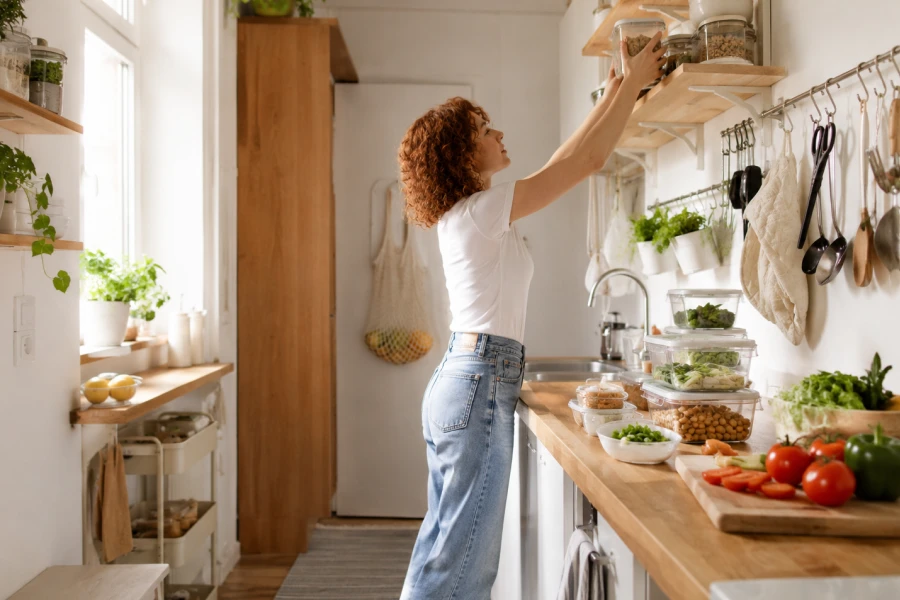
Small kitchen storage hacks matter because every inch has to earn its place. A compact kitchen can feel frustrating when counters fill quickly and cabinets hide forgotten items. Yet a small room can become efficient with smarter zones, vertical storage, and better editing. The goal is not to buy more organizers blindly. It is to understand how the kitchen actually works. Cooking, cleaning, prepping, and storing all need clear space. When those functions have homes, the room feels calmer. Even a tiny kitchen can support daily meals gracefully. The difference comes from practical systems, not perfection.
Storage problems often start with routine, not square footage. If pans live far from the stove, cooking feels harder. If mugs sit across the room from the coffee maker, mornings feel slower. A useful compact kitchen organization plan begins by watching movement. Items used every day deserve the easiest access. Occasional tools can move higher, lower, or farther away. This simple shift changes the room quickly. It also reduces the urge to keep everything on the counter. Better habits create better storage choices.
Walls, cabinet doors, and shelf risers can unlock space without remodeling. Hooks can hold mugs, pans, towels, or utensils. Magnetic strips can store knives or metal tools when installed safely. Shelf risers double cabinet levels. Door racks can hold lids, wraps, or cleaning supplies. These changes help small kitchens breathe. They also connect well with a smarter zone-based setup when storage needs more structure. Vertical thinking keeps surfaces clear. It also makes important tools visible. A small kitchen becomes easier to use when walls work harder.
Cabinets become more useful when categories stay visible. Deep shelves often hide duplicate cans, mismatched containers, and rarely used gadgets. Pull-out bins, labeled baskets, and stacked trays can solve this problem. The aim is to create access without overcomplicating the system. A cabinet storage solution should match the user’s habits. Clear bins help some people. Open baskets help others. The best system is the one that stays easy after a busy week. Clarity saves time, money, and counter space.
Counters attract clutter because they are convenient. Small appliances, mail, snacks, bottles, and dishes can collect quickly. A compact kitchen needs stricter boundaries. Only items used daily should stay visible. Everything else needs a drawer, shelf, cabinet, or nearby storage zone. Trays can help contain necessary counter items. One tray for coffee supplies looks intentional. Five loose objects look messy. This visual boundary makes cleanup easier. It also helps the room feel larger. When countertops show breathing room, the whole kitchen feels more functional. That change can happen without buying anything new.
Pantry overflow can make a small kitchen feel chaotic. Dry goods need clear categories, realistic quantities, and visible expiration dates. Narrow bins can group pasta, snacks, baking items, and breakfast supplies. Tiered shelves can reveal cans and jars. A small-space pantry solution can also prevent overbuying because everything is easier to see. This saves money and reduces waste. Pantry organization should support cooking, not create a decorative burden. Simple systems usually last longer. They are easier to maintain after grocery trips.
No storage trick can fix too many things. Duplicate spatulas, unused gadgets, chipped mugs, and extra containers all steal space. Decluttering should happen before organizing. This makes the remaining items easier to place. A kitchen decluttering plan helps users decide what stays, moves, or leaves. The process does not need to feel extreme. It simply asks whether each item supports real cooking life. When storage holds only useful things, the room works better. Small kitchens reward honesty. They do not reward excess.




Leave a comment